
The State of the Nonprofit Sector Community Briefing (RECAP + RECORDING)
Date
Aug 26, 2026
Time
12:00 p.m. – 1:00 p.m.
Location
Virtual
Topic
Presenter(s)
Jennifer Heath, Christina Ciociola
On Aug. 26, leaders from The Community Foundation for Greater New Haven and United Way of Greater New Haven (UWGNH) took a closer look at the challenges facing the nonprofit sector and what they could mean for Greater New Haven. Changing federal priorities and reductions in government funding are creating uncertainty for organizations across the region. At the same time, workforce shortages and staff retention challenges are making it harder to meet growing demand for services.
The conversation explored how nonprofits are adapting to this rapidly changing landscape, the pressures they are facing and what the community can do to help sustain the programs that so many Greater New Haven residents rely on.
What We Heard
- Nonprofits are facing three colliding crises: rising costs due to inflation, government funding cuts affecting both nonprofits and clients, and a resulting increased demand for services. This is especially true for nonprofits offering basic needs support, though losses and added strain are being reported across the nonprofit sector both locally and nationally.
- Nonprofits are bracing for continued cuts to federal benefits like SNAP and Medicaid.
- 164,000 Connecticut residents – more than half of all Medicaid enrollees in the state – are expected to lose coverage starting in January. This is according to lawmakers and hospital officials as cited in a recent Courant report.
- A recent Connecticut Voices for Children report projects that 62,770 Connecticut residents have lost SNAP benefits in the last year, including nearly 6,000 New Haven residents.
- Frontline providers are experiencing emotional distress and burnout from the increased demand, and in many cases, an inability to meet it.
- Nonprofit wages are rarely commensurate with the required expertise, and experience.
- Immigrant-serving organizations are seeing acute stress felt by their clients because of recent ICE enforcement.. Responding to pressing crises is preventing organizations from future planning. This can lead to poor management and decision-making, despite intentions or expertise.
- Involving nonprofit boards effectively also often poses unique challenges.
- Christina Ciociola, SVP for Planning and Community Strategies at The Community Foundation, touched on the sector consolidation she has observed in the last year: “We’re seeing an increase in mergers and program absorption.” Much of this is due to unplanned cuts to federal funding and to the social safety net. There is a “constant waiting for the other shoe to drop,” said Jennifer Heath, president and CEO of UWGNH.
- Collaborative service models can be a solution in some instances. For example, United Way has led efforts to bring together organizations working to address food insecurity and homelessness, like the Coordinated Access Network (CAN) and the Coordinated Food Assistance Network (CFAN).
Resources
- Nonprofit Finance Fund’s 2025 State of the Nonprofit Sector Survey
- Connecticut Voices for Children's August 2026 study, "Shifting Costs, Eroding Access: The Early Impacts of the One Beautiful Bill Act on SNAP in Connecticut"
- Read insights from recent nonprofit grantee reports compiled by The Community Foundation.
- Connect with other nonprofits via UWGNH's Coordinated Access Network and the Coordinated Food Assistance Network.
- Find workshops, programs and support for your organization at The Community Foundation for Greater New Haven’s Nonprofit Resource Center and United Way for Greater New Haven's Organizational Partner Resources.
- The Basic Needs Fund at The Community Foundation for Greater New Haven is dedicated to meeting our neighbors’ human needs.
- Search for organizations providing basic needs and other essential services using GiveGreater.org.
- For those interested in getting more involved in advocacy, particularly around issues related to ALICE (asset-limited, income-constrained, employed families), check out UWGNH's Advocacy Action Center.
- United Way's 30 | 30 Experience is an online learning experience that helps community members better understand the challenges that ALICE families face.
- Register to vote online here!
Featured Speakers
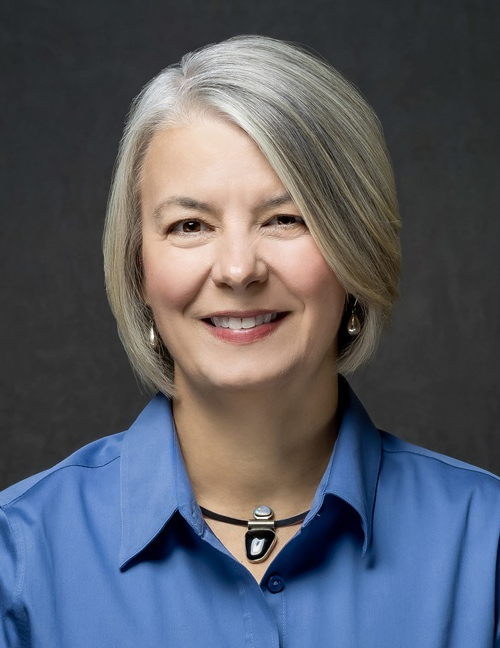
Jennifer Heath is the president and CEO of United Way of Greater New Haven. She has held the position since 2016, after serving the organization for 10 years as executive vice president and vice president of community impact. During her tenure, Heath has been a key architect of United Way’s work in the community, with a particular focus on improving the lives of families who are struggling to make ends meet, and addressing the needs of children and youth. She has also successfully diversified and grown the organization’s revenue, staff and board.
Prior to joining United Way, Heath served as a strategic planning and program design consultant for state and local government, foundations, and not-for-profit organizations.
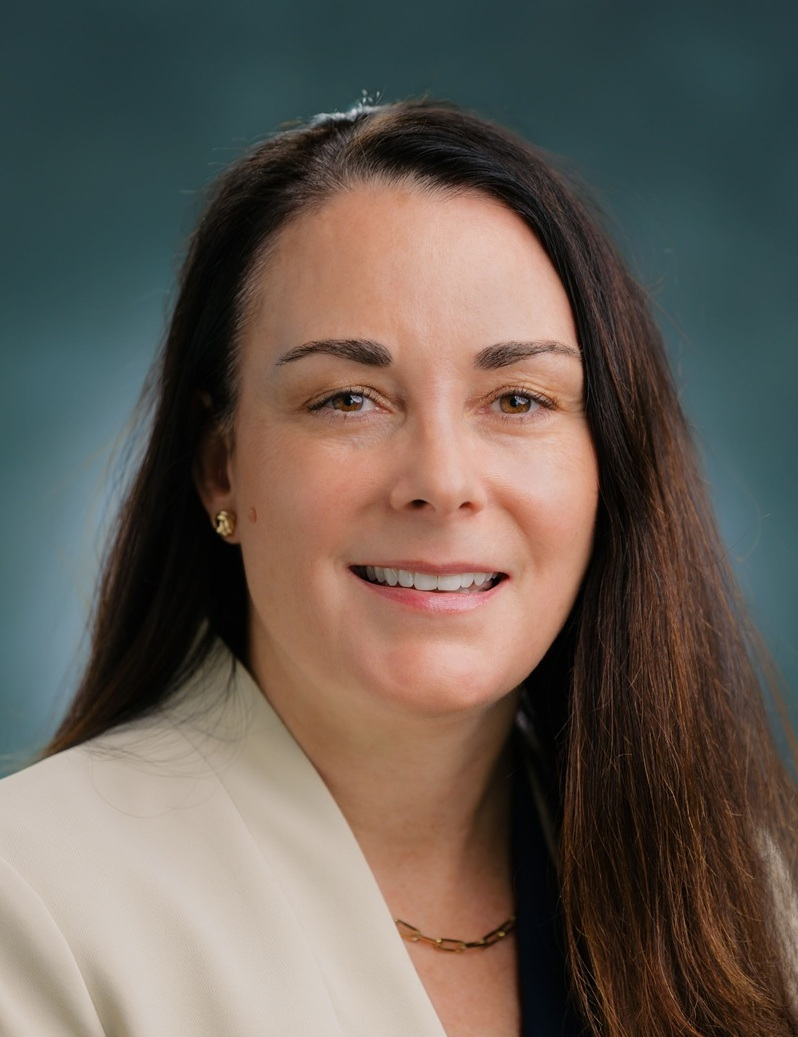
Christina Ciociola is the senior vice president for planning and community strategies at The Community Foundation for Greater New Haven, where she has held several positions in her 20+ year tenure.
Since 2014 Ciociola has held the senior programmatic staff position at the Foundation, overseeing grantmaking, strategy development and implementation, and community knowledge work. She has led its efforts to promote local philanthropy through giveGreater.org and The Great Give.
She served on the leadership team of the Community Foundation Opportunity Network (CFON), a national network of community foundations committed to narrowing the opportunity gap and was a member of Social Venture Partners (SVP) of CT’s Investment Committee.